
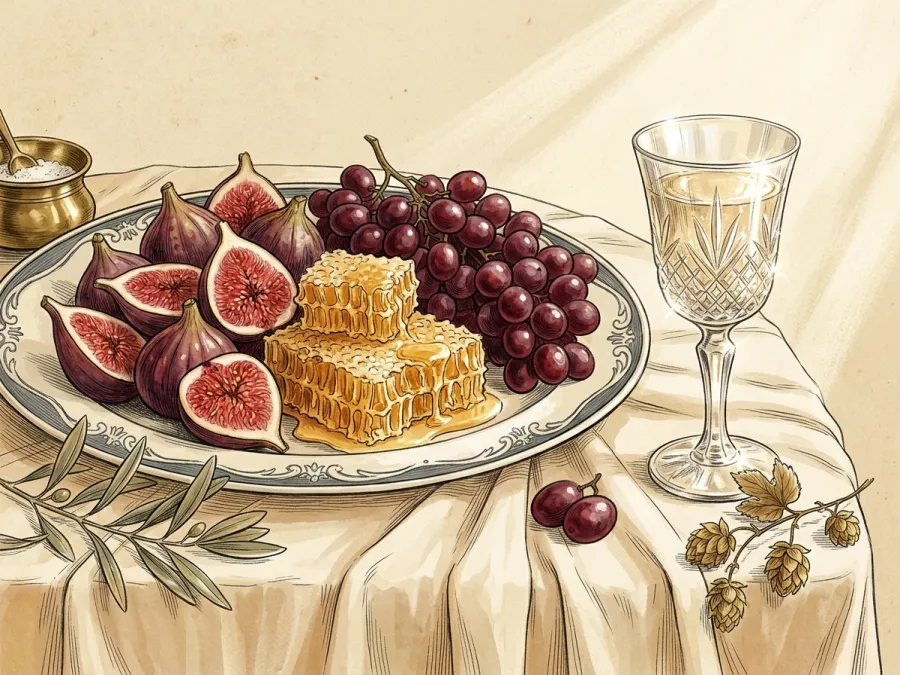
01 / In everyday life
A stream with no natural end makes stopping a separate decision. After a long day you may want relief and keep watching until you are no longer enjoying it. Notice where enjoyment ends and habit takes over. A generous meal with friends does not automatically show this pattern, and nobody else can infer it from your plate.
02 / From the historical record
The Praktikos opens its series of thoughts with gluttony (§7), in a monastic context quite unlike ours. On Dante’s sixth terrace (XXII–XXIV), fragrant fruit and water sharpen the longing of hungry souls. The contrast between sensation and satisfaction gives the scene its force.
03 / Counterpart virtue · Temperance
Temperance can preserve an enjoyable activity rather than spoil it. Decide when to stop before hitting play, or pause a diversion and ask whether it still gives you the rest you wanted. This exercise is not a nutrition plan and should not be used to restrict eating.
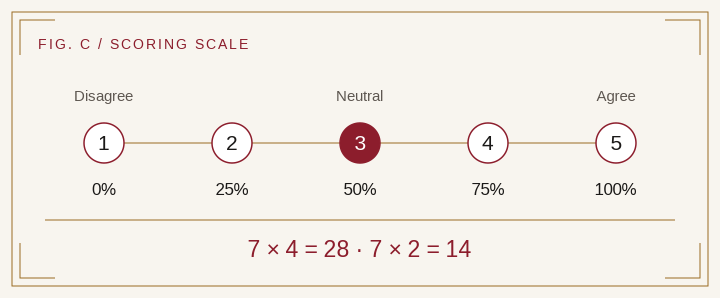
04 / Questions for yourself
- How do I know an activity has stopped being enjoyable?
- What do I actually need when I look for another distraction?
- What stopping cue would feel reasonable rather than punitive?