





01 / Begin with a situation, not a verdict
The Seven Deadly Sins Test measures agreement with short descriptions of everyday reactions. It does not ask you to confess anything. Think of the colleague who corrects you in a meeting, the friend whose good news stings, or the evening when you keep scrolling after the pleasure has gone. Answer for what you have actually done or wanted to do lately. If a situation does not apply, choose the response that best reflects a comparable experience or use the middle option when you are genuinely unsure. That middle answer counts as 50%; it does not leave the statement out.
The full edition has 28 scenarios, four for each of the seven themes. The quick edition takes the first two from each group. Show everything at once to review your answers, or take one scenario at a time to give each its own space. Changing the view does not change how the answers are scored. The shorter edition keeps its 14 shared answers if you return to the full set.
02 / Read the shape before reading the label
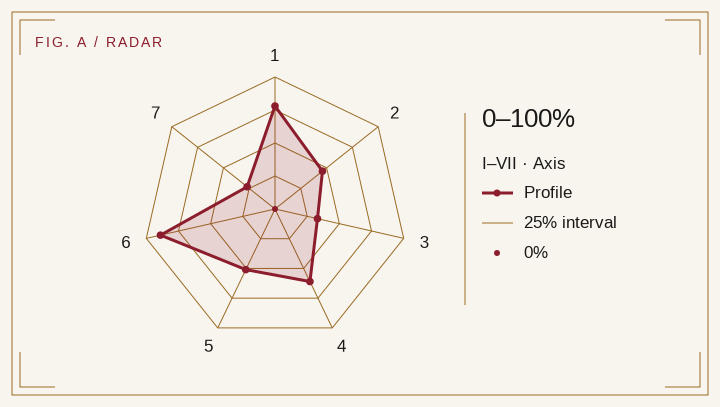
The radar has an axis each for pride, greed, lust, envy, gluttony, wrath and sloth. The center is 0% agreement; the outside is 100%. Before the worksheet is complete, a point uses only the answers already given on its axis. A dash is different from a point at zero: the dash means there is no answer yet. Compare nearby scores gently, especially in the short edition, where a single answer can move an axis appreciably.
The final reading calls the highest tier your ruling sin, the next distinct tier your secondary shadow, and the lowest tier your highest restraint. These are names for positions on this run, not personality types or proven strengths. Equal scores share a tier; when all seven tie, there is no singled-out tendency or virtue. The methodology shows how to reproduce the scores and explains why comparing friends as if they were a ranked population does not work.
03 / Follow one plate into the archive
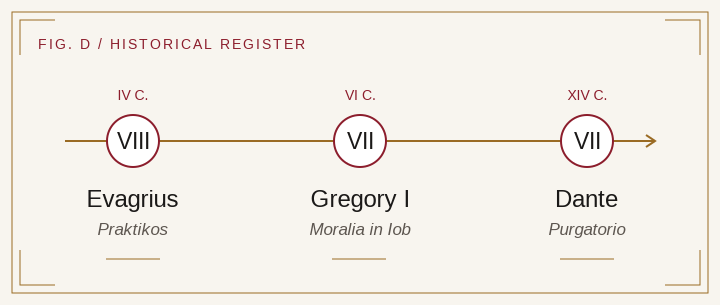
Evagrius Ponticus discussed eight tempting thoughts in the fourth century, including pride and vainglory as separate thoughts. Gregory I later put pride at the root of seven principal vices in his commentary on Job. The familiar list is not a word-for-word copy of either account. Dante turned the themes into seven terraces in Purgatorio. These texts were written for different purposes: to guide a monastic practice, to interpret scripture, and to tell a poem’s story. They were not personality tests.
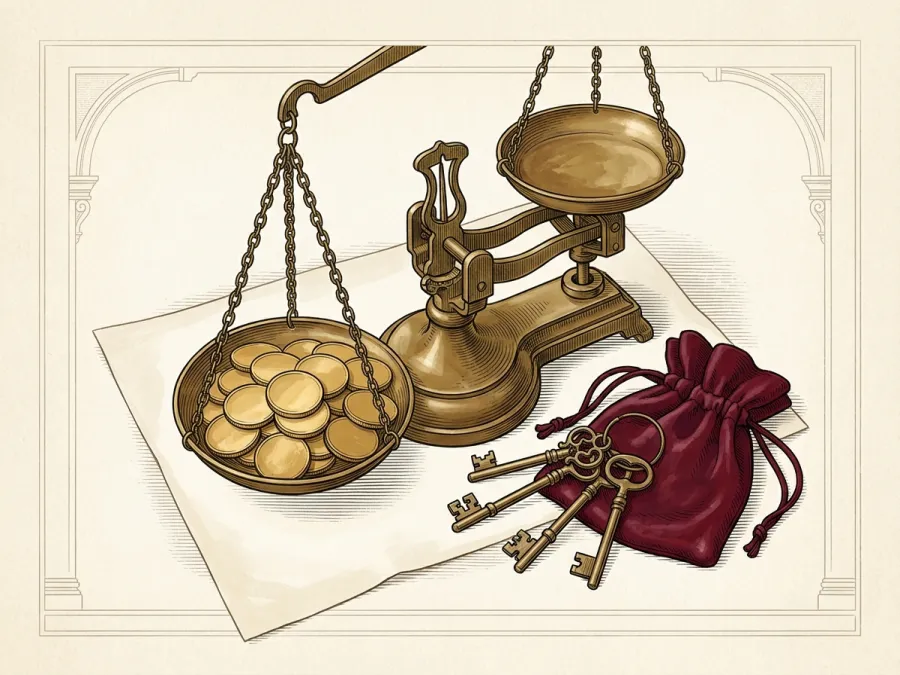
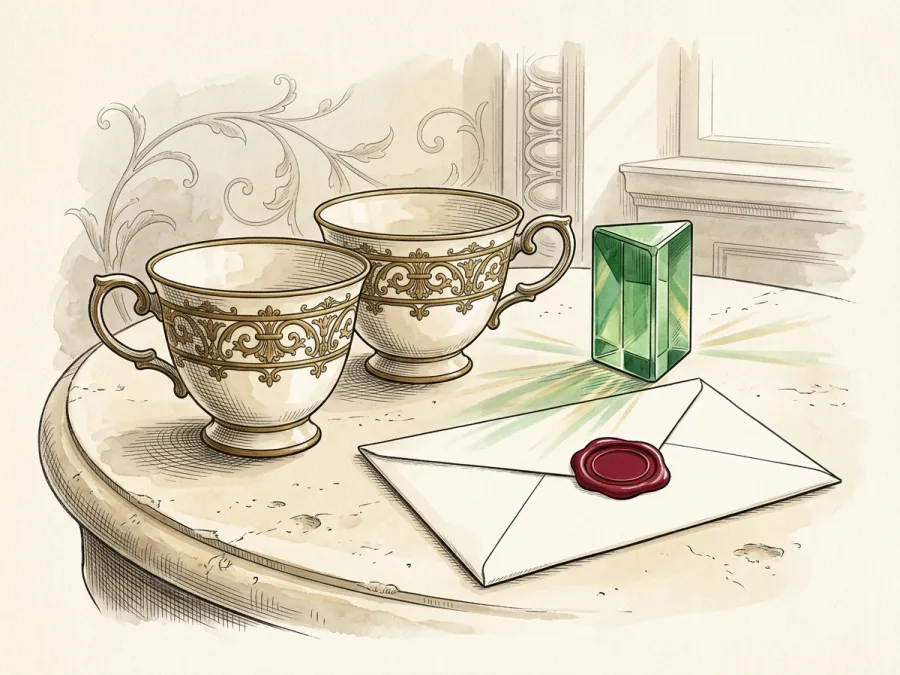
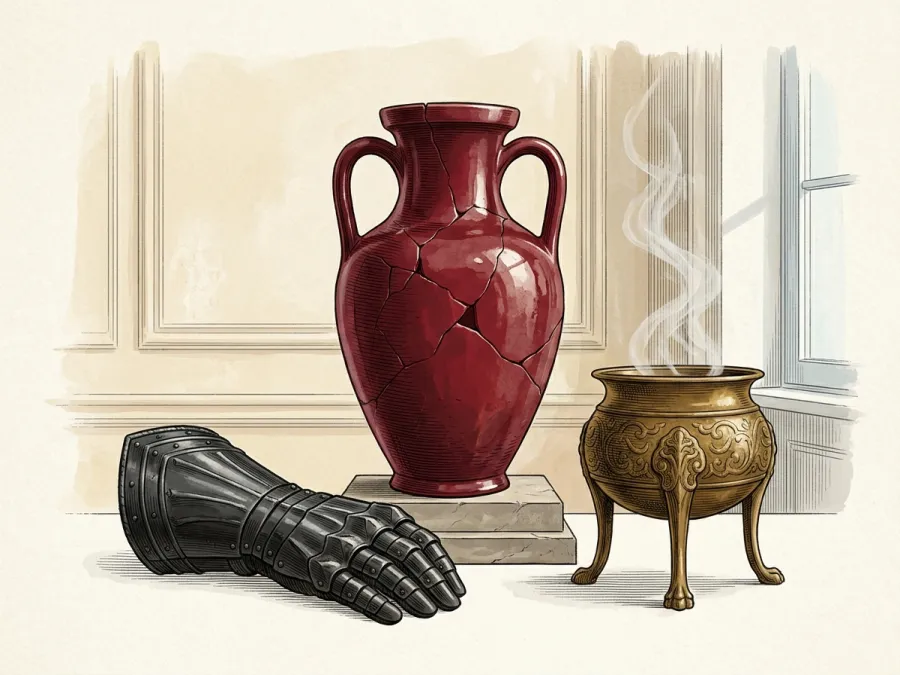
The gallery gives each theme an object instead of a caricature. Compare pride’s mirror, used here to ask what happens when our image is threatened, with envy’s two cups, used to ask why another person’s gain can feel like our own loss. The picture is a starting point for reading; it is not evidence about your character.
04 / Try one small counter-move
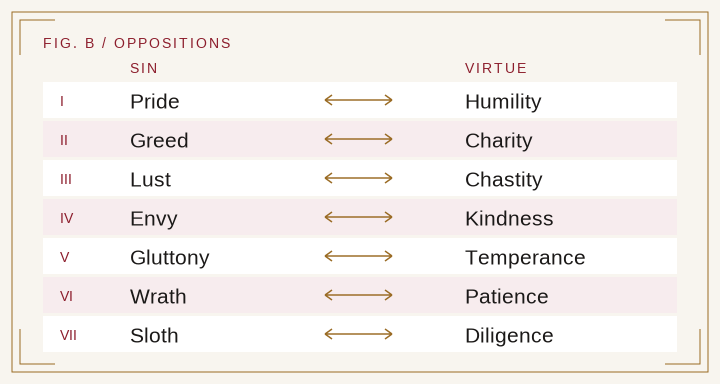
A counterpart virtue is a prompt for action, not an obligation to become an opposite person. Humility leaves room to hear a correction without denying skill; charity offers something while keeping reasonable boundaries. Chastity is read here through mutual consent and commitments, kindness through how we respond to another person’s success, temperance through a choice about enough, patience through time to choose a response, and diligence through beginning a feasible task. Pick one action small enough to try this week, and notice its effect rather than chasing a perfect score.
Your browser draws the radar and the 1200 × 1500 result card locally. Download the image to keep a record or copy a result link if you want someone to see all seven scores. A result link does not contain individual answers, but anyone holding it can read the scores. Use reset to clear the locally saved run. See the privacy policy before posting in the separate public discussion.
There are no comments yet.